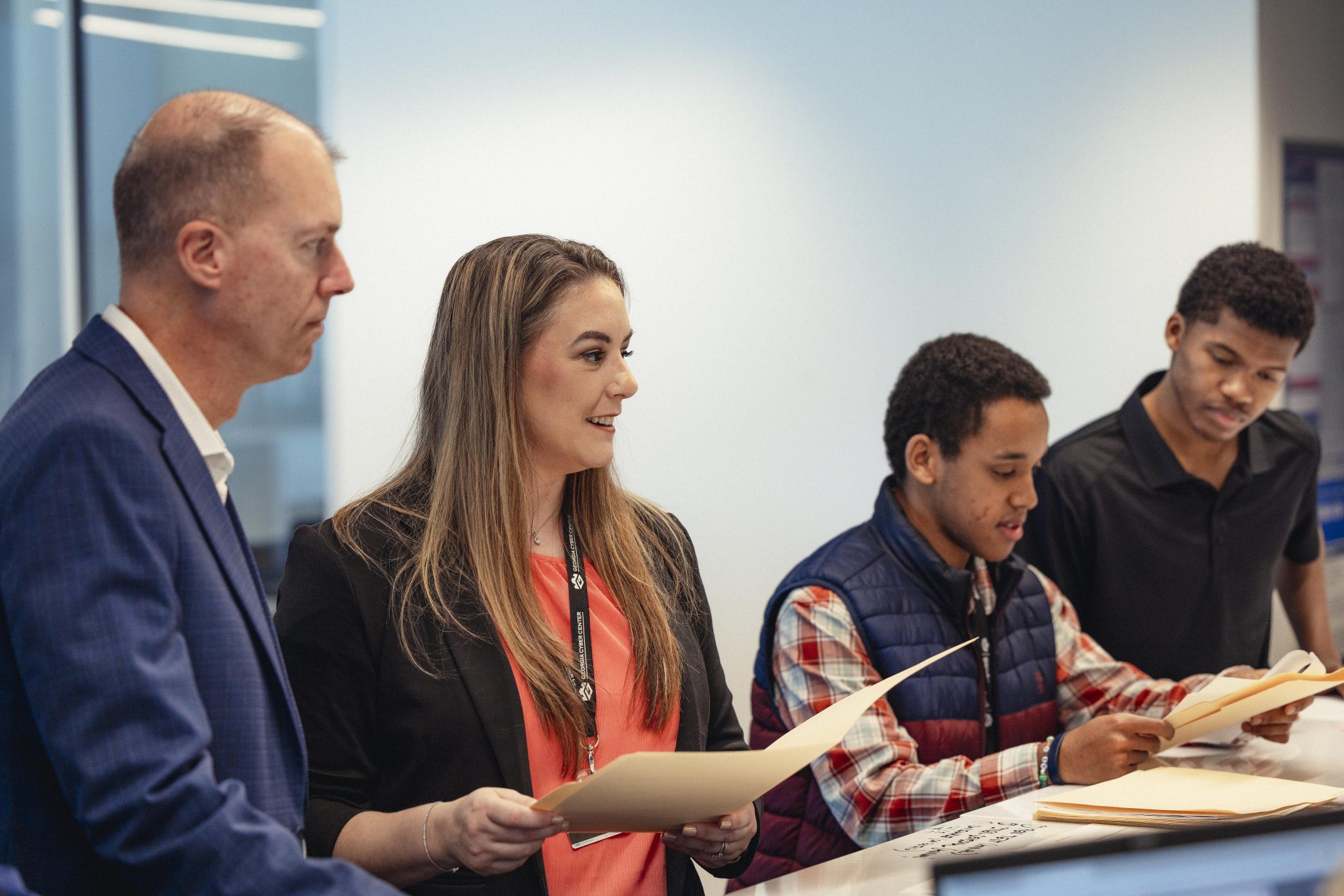
At the Georgia Cyber Innovation and Training Center in Augusta, innovation is not limited to cybersecurity labs. Inside The Garage Makerspace, Augusta University students are building practical solutions that directly improve everyday life. 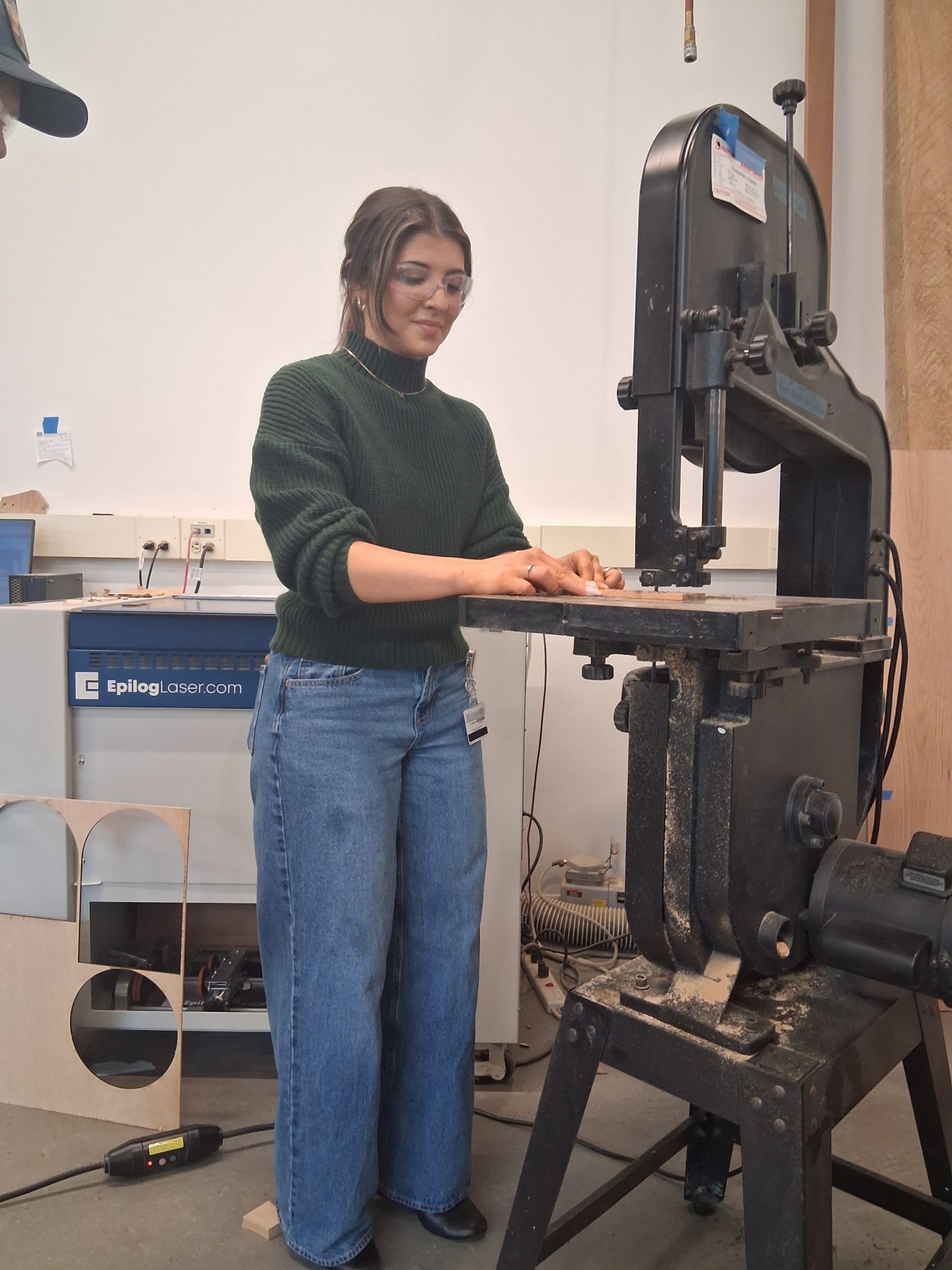
Recently, Occupational Therapy students from Augusta University have been working inside the Makerspace as part of a hands-on class project. Their assignment is simple in concept but powerful in impact: design and build a custom assistive device for someone they know or are currently working with.
Each project begins with a real person and a real challenge.
Some students are designing tools that help individuals zip jackets or tie shoelaces more easily. Others are creating more specialized devices, such as modified knee and leg braces that allow someone recovering from a foot injury to kick a soccer ball again. The goal is not just to imagine solutions but to build them.
Turning Ideas Into Assistive Technology
The Garage Makerspace provides the tools and environment that make these ideas possible. Students use equipment like bandsaws to shape materials, 3D printers to prototype lightweight components, and CAD software to design custom pieces that fit a specific need.
For many of the Occupational Therapy students, this is their first experience translating a clinical concept into a physical product. Instead of only recommending solutions, they are learning how to build them.
This process mirrors the real-world challenges clinicians often face. No two patients have identical needs, and off-the-shelf equipment does not always provide the best answer. By learning basic design and fabrication skills, future occupational therapists gain another way to support patient independence.
Innovation With a Human Focus 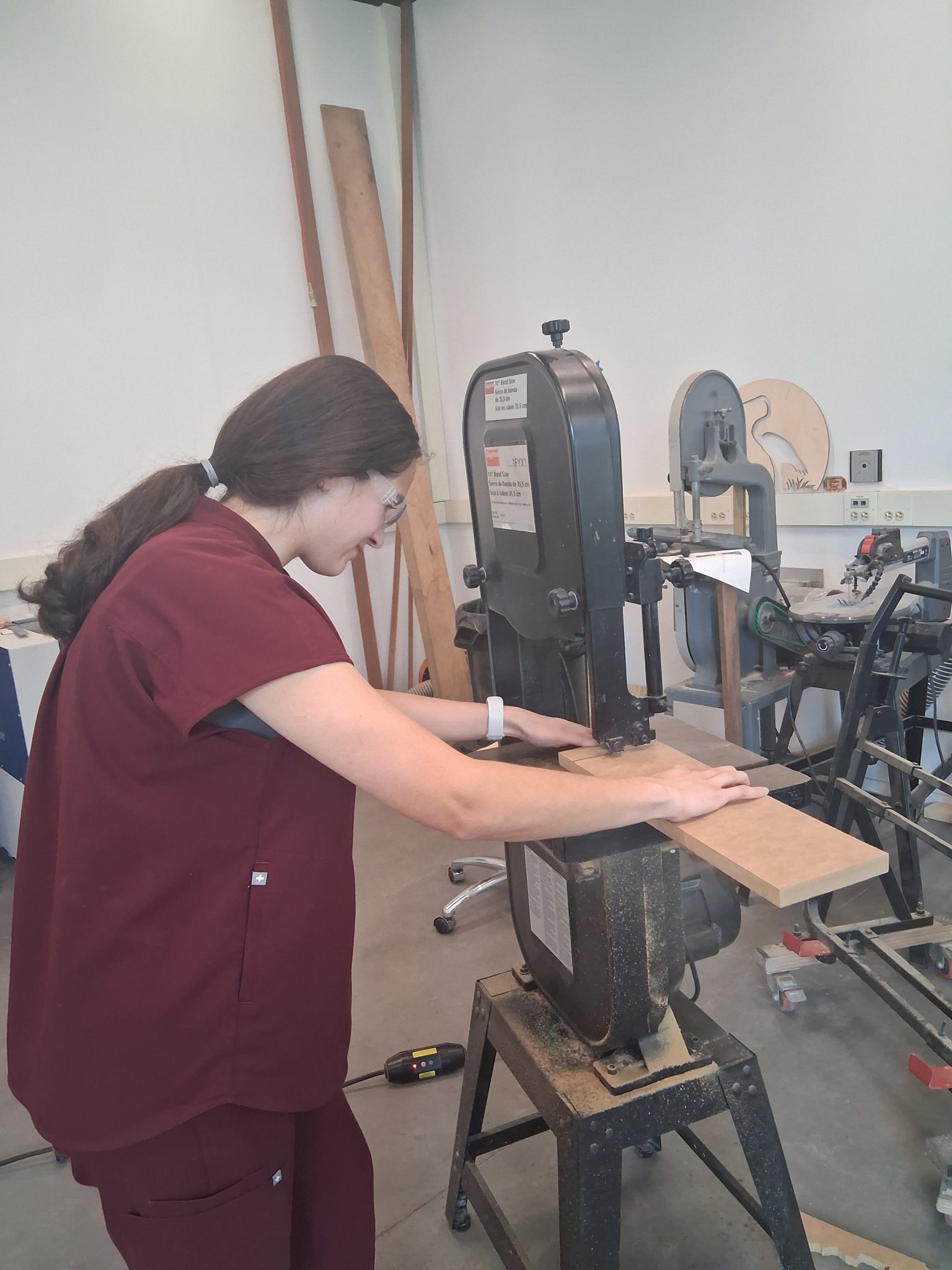
What makes the collaboration between the Garage Makerspace and the Occupational Therapy program so meaningful is the prospective students bring to the work.
Every device begins with empathy. Students start by understanding the daily challenges someone faces, then work backward to design a solution that improves that person’s ability to move, work, or participate in activities they enjoy.
Through the design process, they gain confidence in problem solving, collaboration, and patient-centered care. The technology in the Makerspace plays an important role, but the real value comes from the mindset students develop while using it.
Innovation becomes most powerful when it is connected to real experience.
Makerspace Projects Across Augusta University
While the Occupational Therapy projects have brought new energy into the space, they are just one part of the work happening inside The Garage.
Makerspace staff members, Aidan and Daniel, have been leading several additional projects while also mentoring the OT students as they develop their devices.
Aidan has been working on a custom Split Flap Counter for local entrepreneur Kenneth Peeples of iCode, a project that blends mechanical design with digital fabrication. The device is being developed as a unique display system for an Augusta-based business partner.
Daniel has been producing lithophanes and illuminated lightboxes for the philanthropy team at Augusta University. Lithophanes use carefully printed layers of material to reveal detailed images when backlit, creating a distinctive visual display that highlights important moments and milestones.
Both Aidan and Daniel have also spent time meeting with the Occupational Therapy students, helping them refine designs, select materials, and troubleshoot fabrication challenges as their assistive devices move from concept to prototype.
Where Learning Becomes Real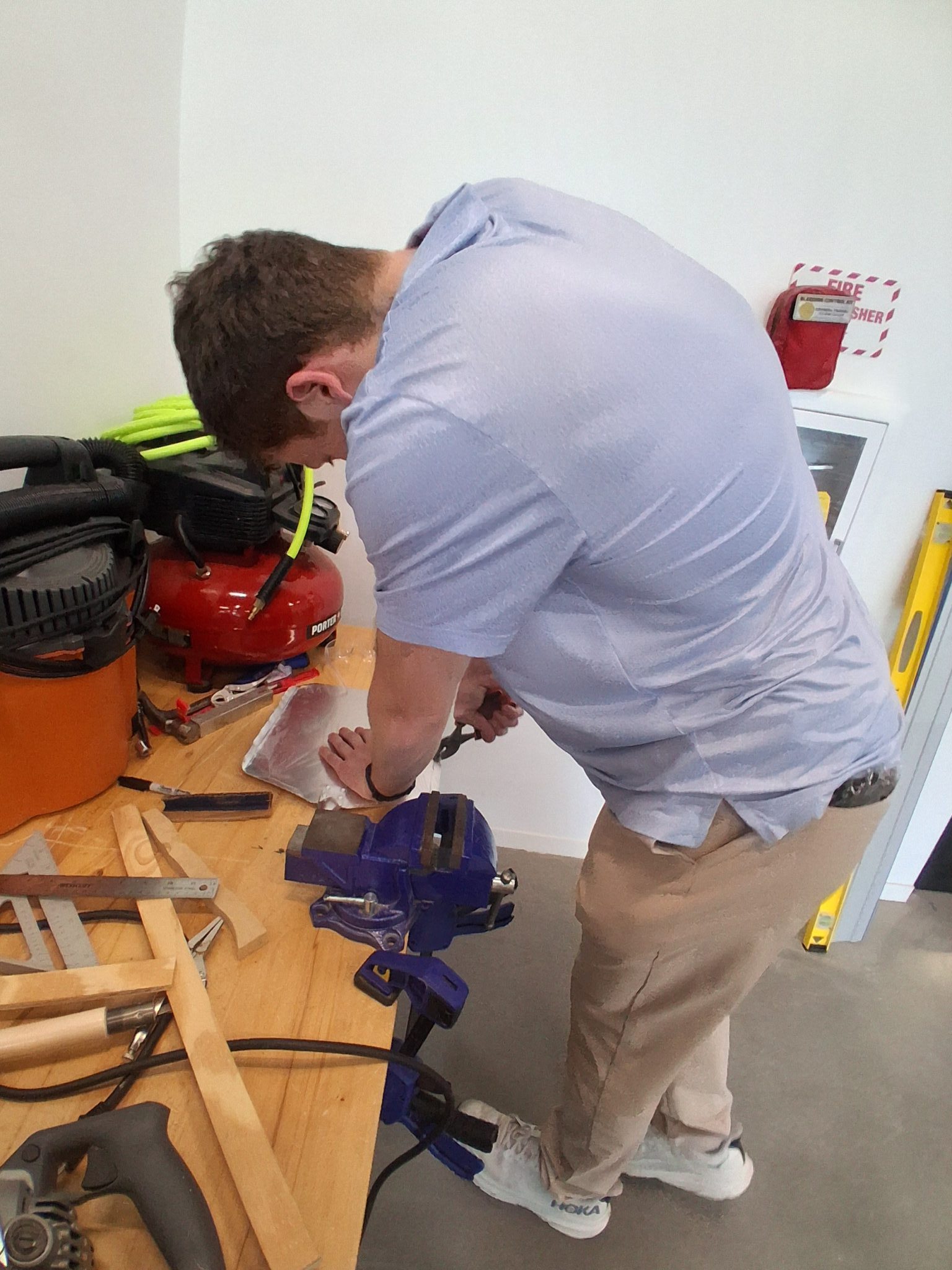
The Garage Makerspace was created to give students a place where ideas can move quickly from concept to reality. Projects like the Occupational Therapy collaboration show how powerful that environment can be when different disciplines come together.
Students gain practical experience with tools and design processes. More importantly, they learn how innovation can directly improve someone’s quality of life.
For the future clinicians building these devices, the lesson is simple but lasting. Technology is most meaningful when it helps people.
And sometimes the best solutions start with a conversation, a problem to solve, and a workspace full of tools ready to bring an idea to life.
Recent Posts

Student Success Stories: From Classroom to Cyber Careers feat. Cameron Cunningham